
Stop Smoking, Feel Happier
How do we influence behaviour at scale by challenging the myth that smoking relieves stress?
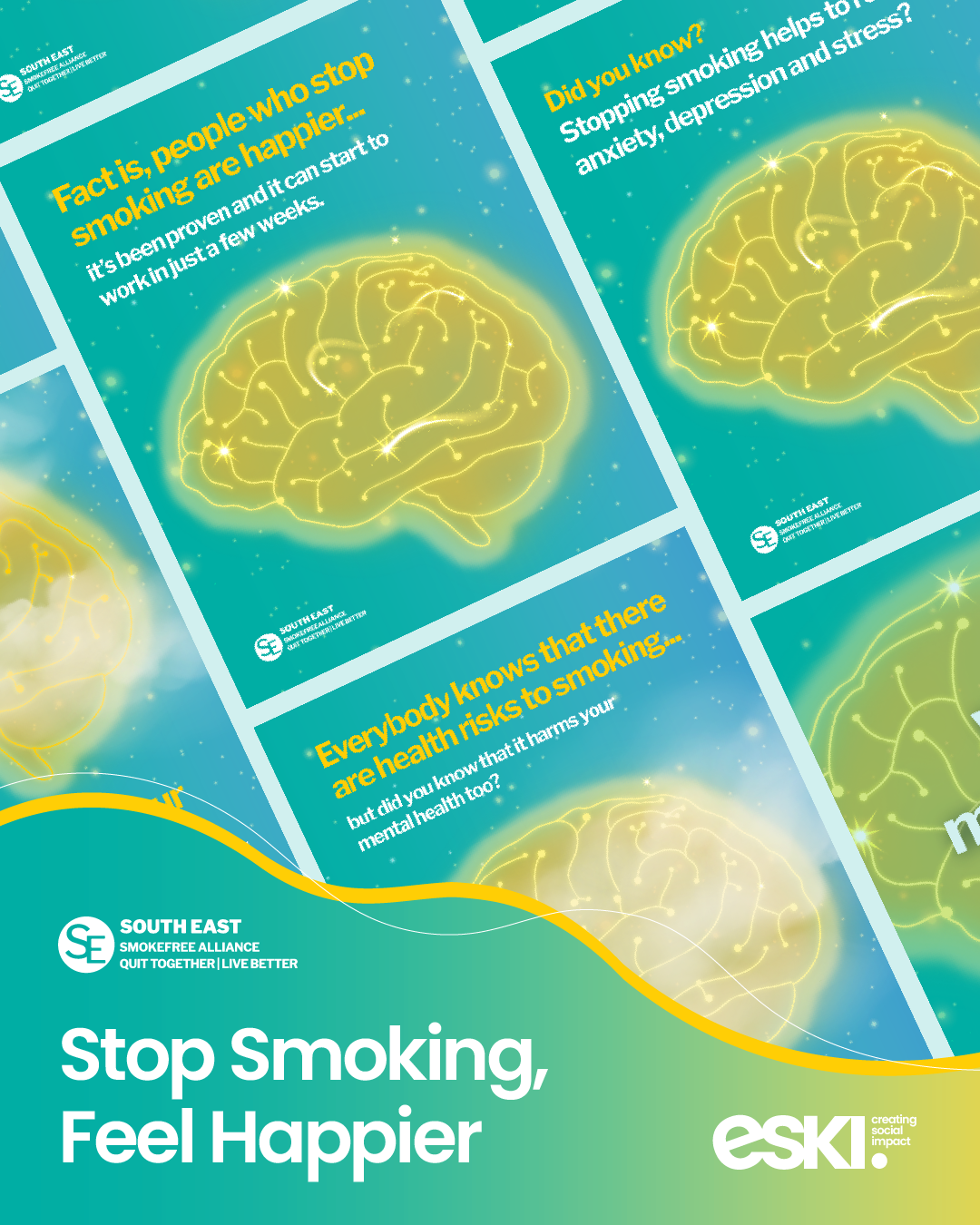
The Stop Smoking, Feel Happier campaign set out to tackle one of the most deeply held beliefs preventing smokers from quitting: that smoking helps manage stress and supports mental wellbeing.
Working across 18 local authorities, covering a population of over nine million people, Eski and South East Smokefree Alliance developed a campaign grounded in behavioural science, clinical evidence and coproduction with people who smoke. The brief required a fresh approach that would resonate emotionally, shift beliefs and drive action at scale.
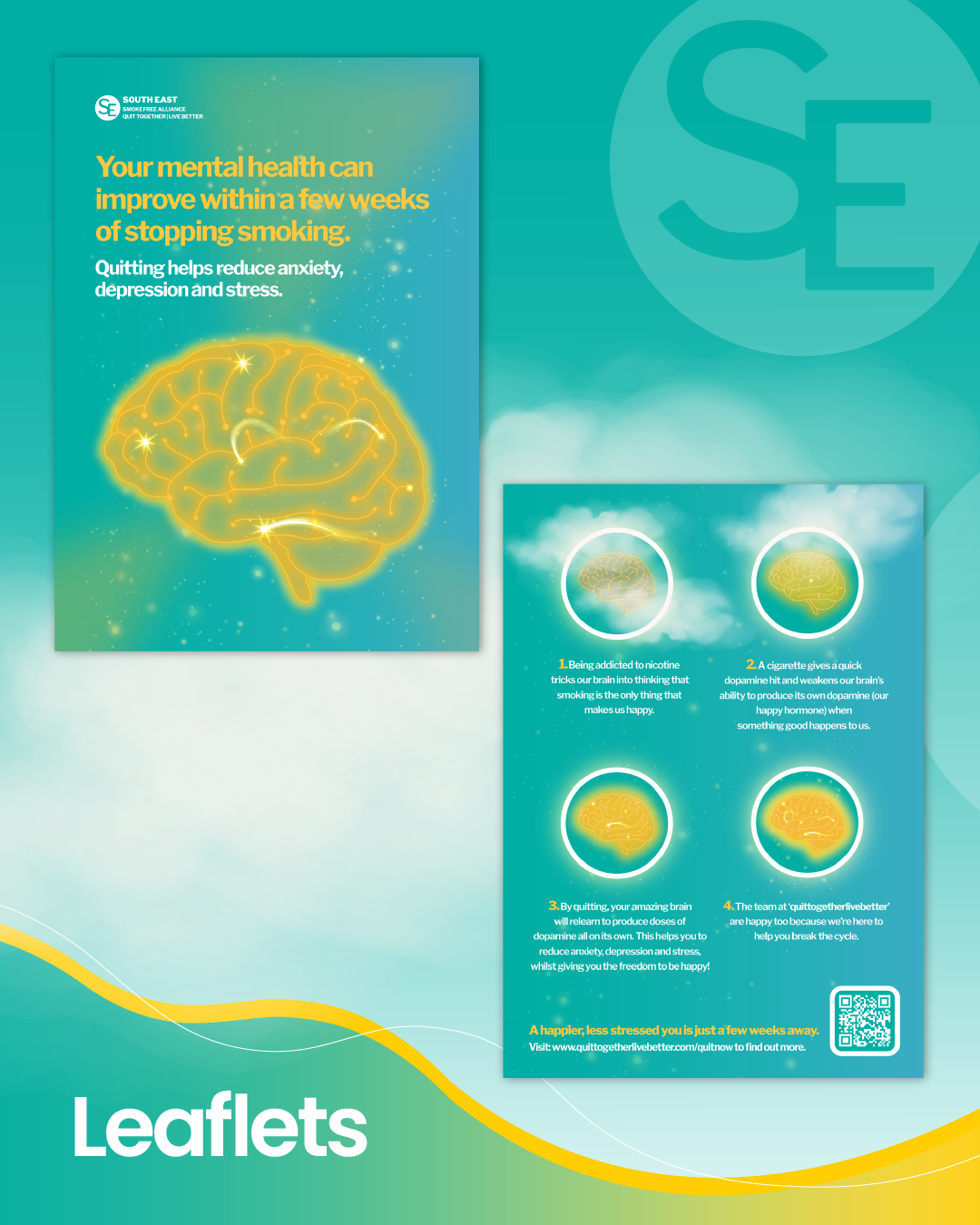
Rather than relying on fear-based messaging around long-term physical harm, the campaign reframed quitting as a positive, immediate route to improved mental wellbeing. Using distinctive animation, film and clear, relatable language, it demonstrated how smoking actually increases stress and anxiety, and how stopping can quickly reverse this.


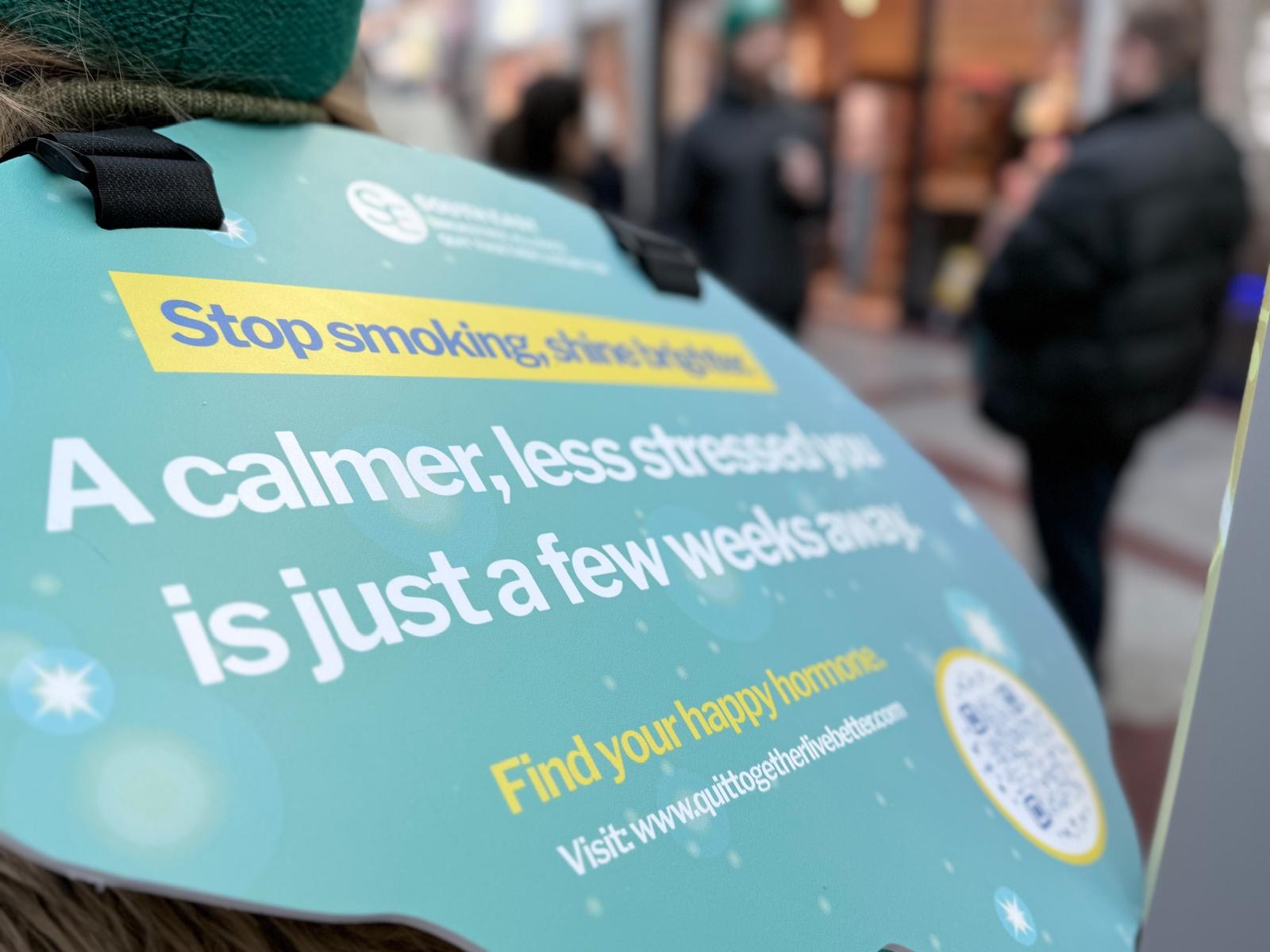
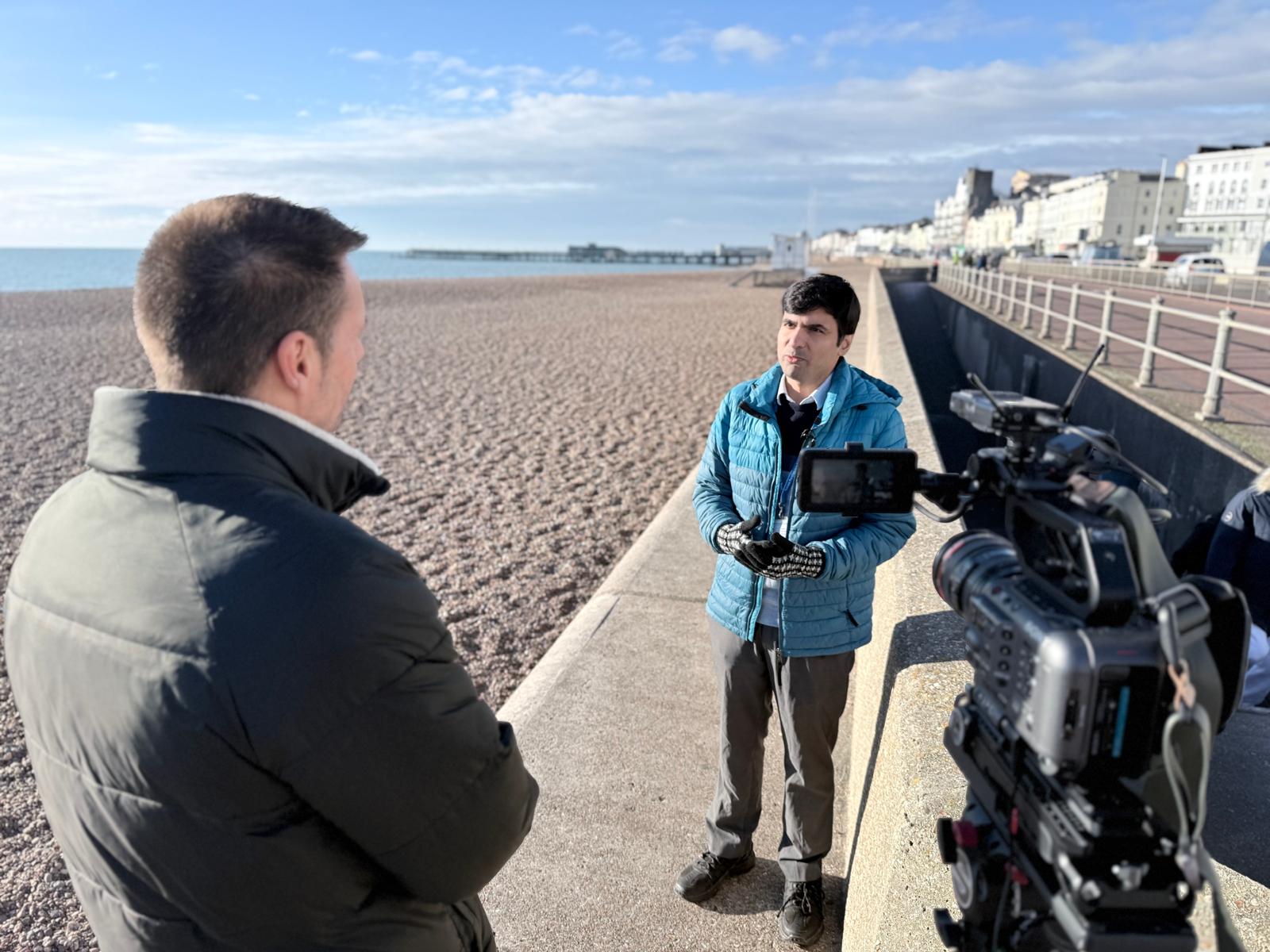
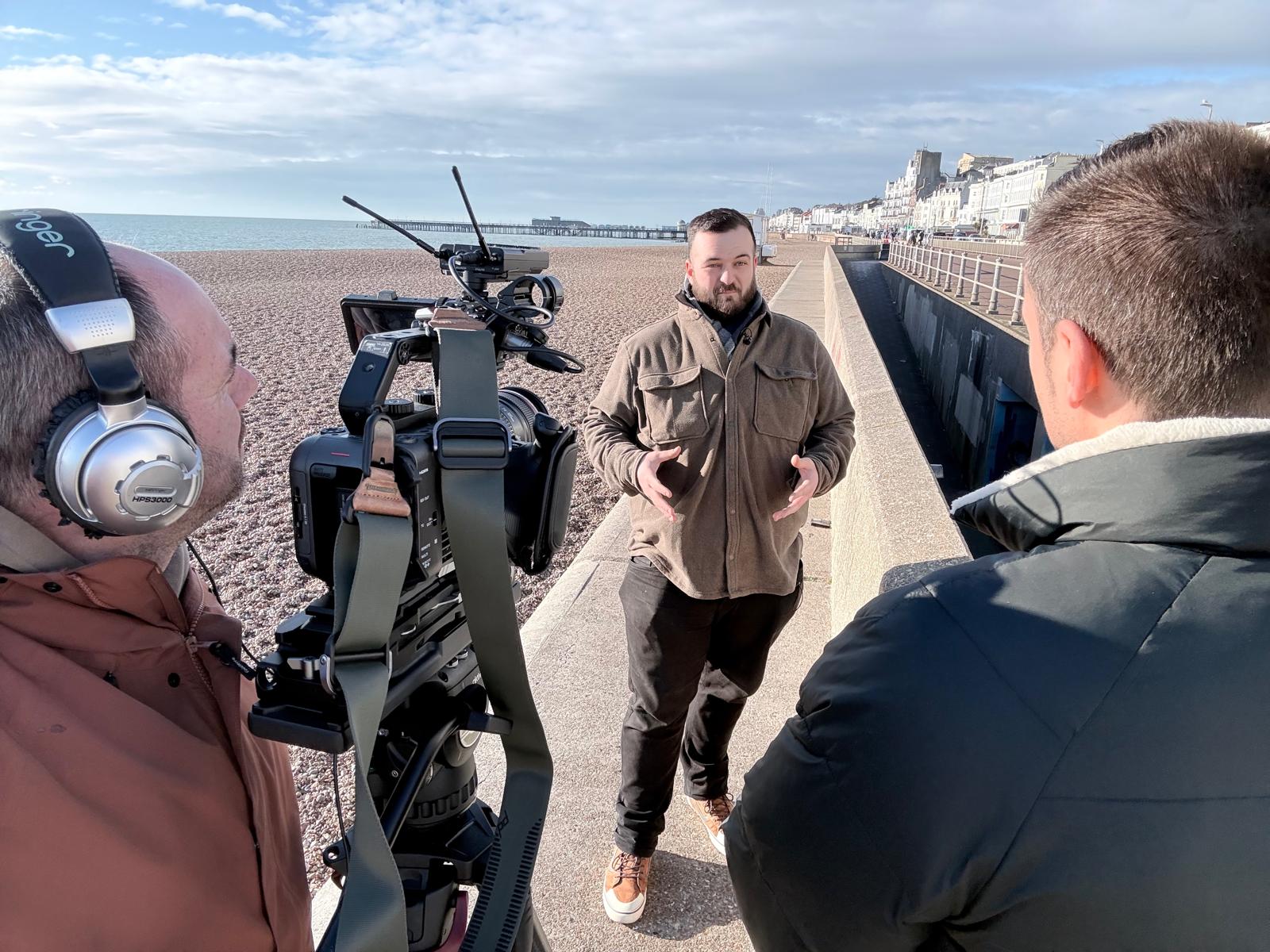
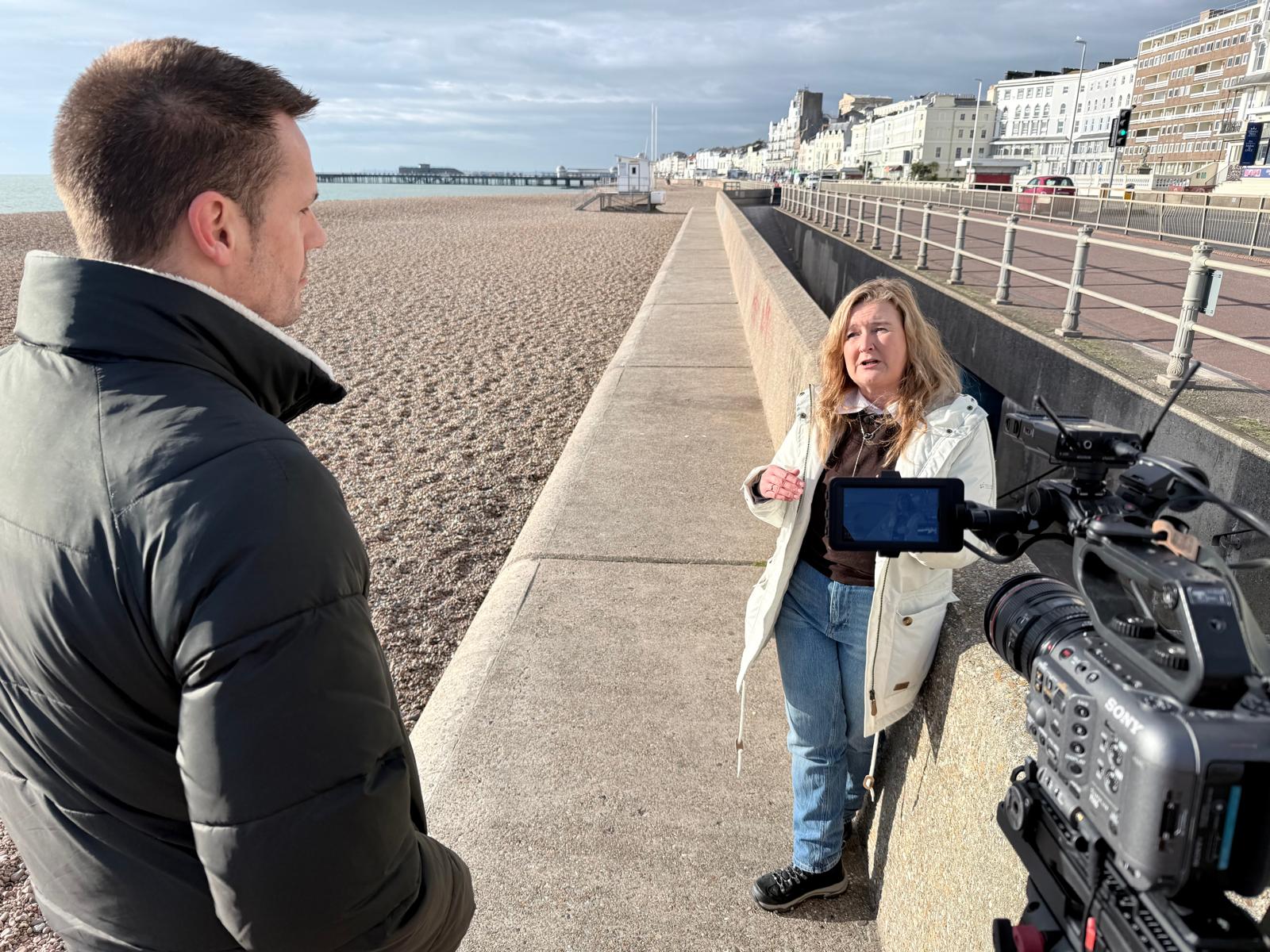
integrated multi-channel approach
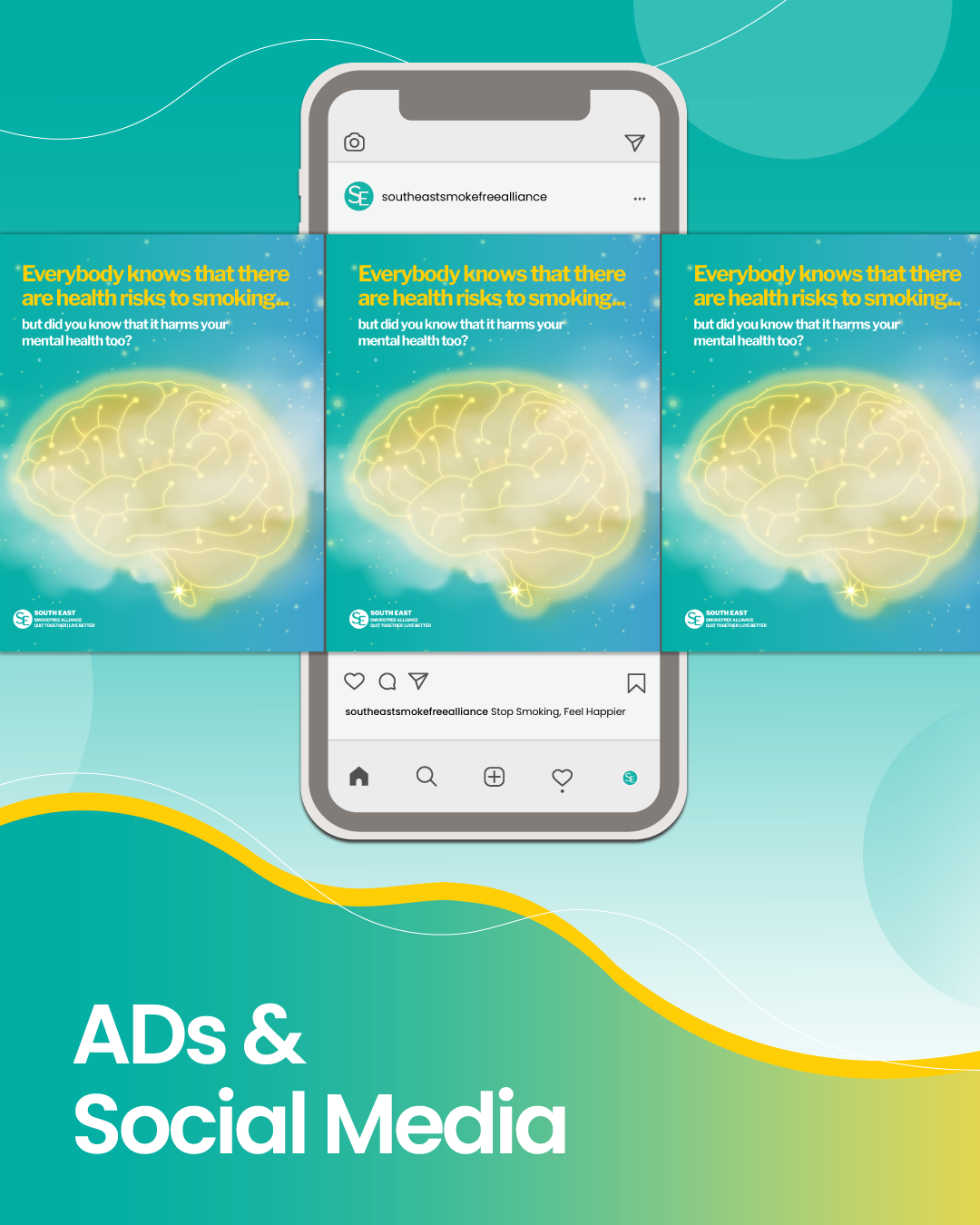
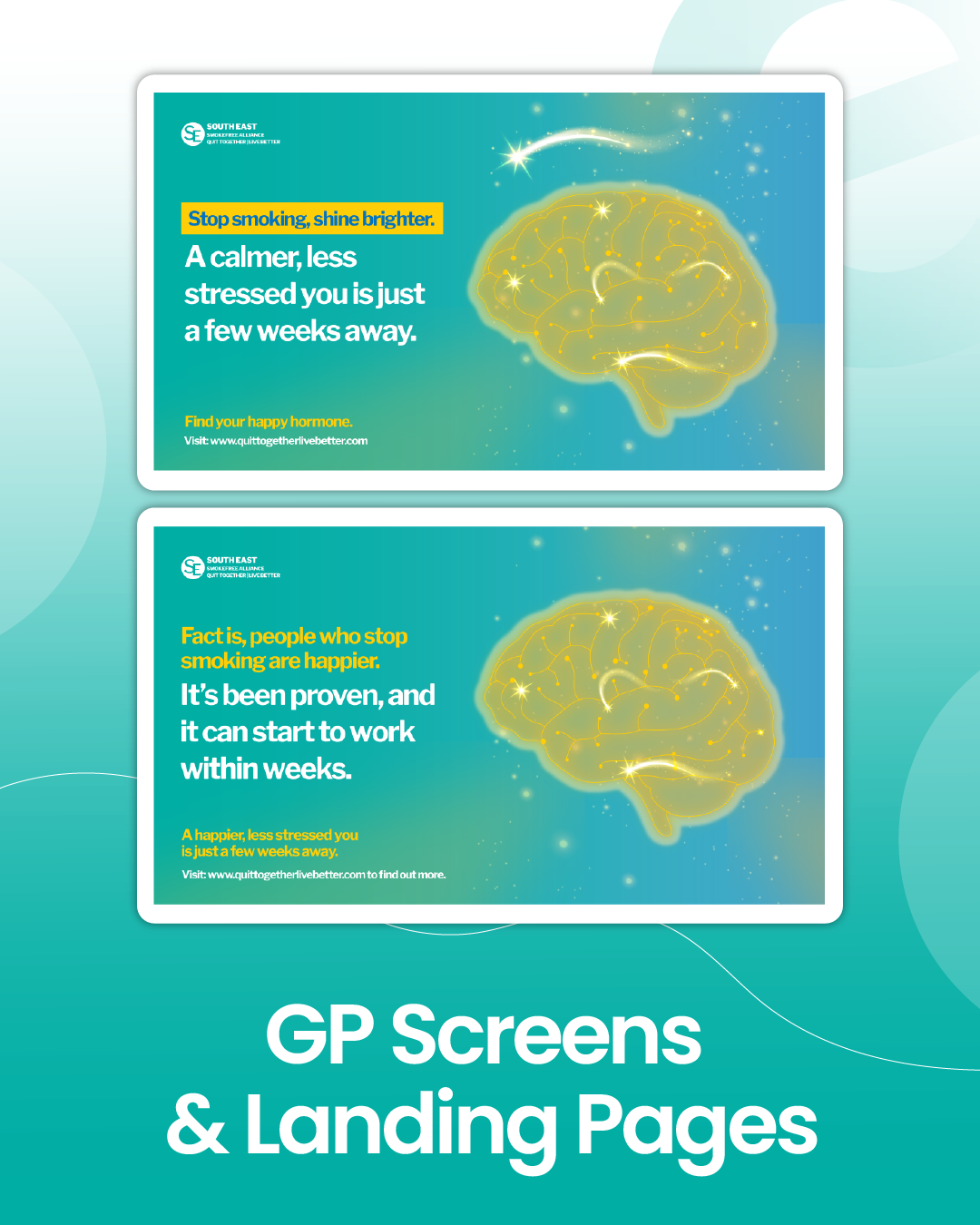
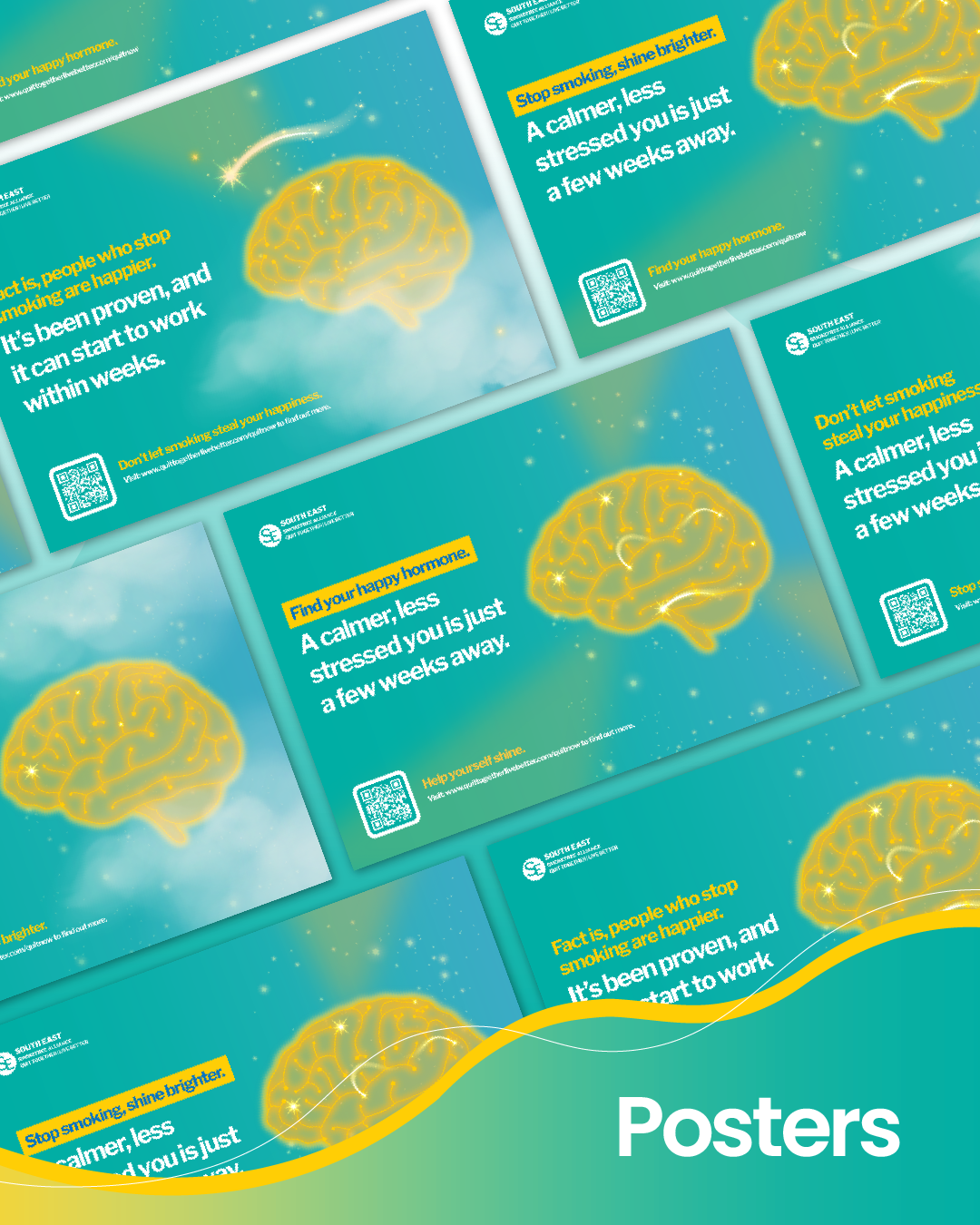
The campaign was delivered through an integrated multi-channel approach, including TV, radio, digital, social media, outdoor and in-person roadshows. A regional framework ensured consistency at scale, while allowing local authority partners to tailor messaging and direct audiences to local stop smoking services.
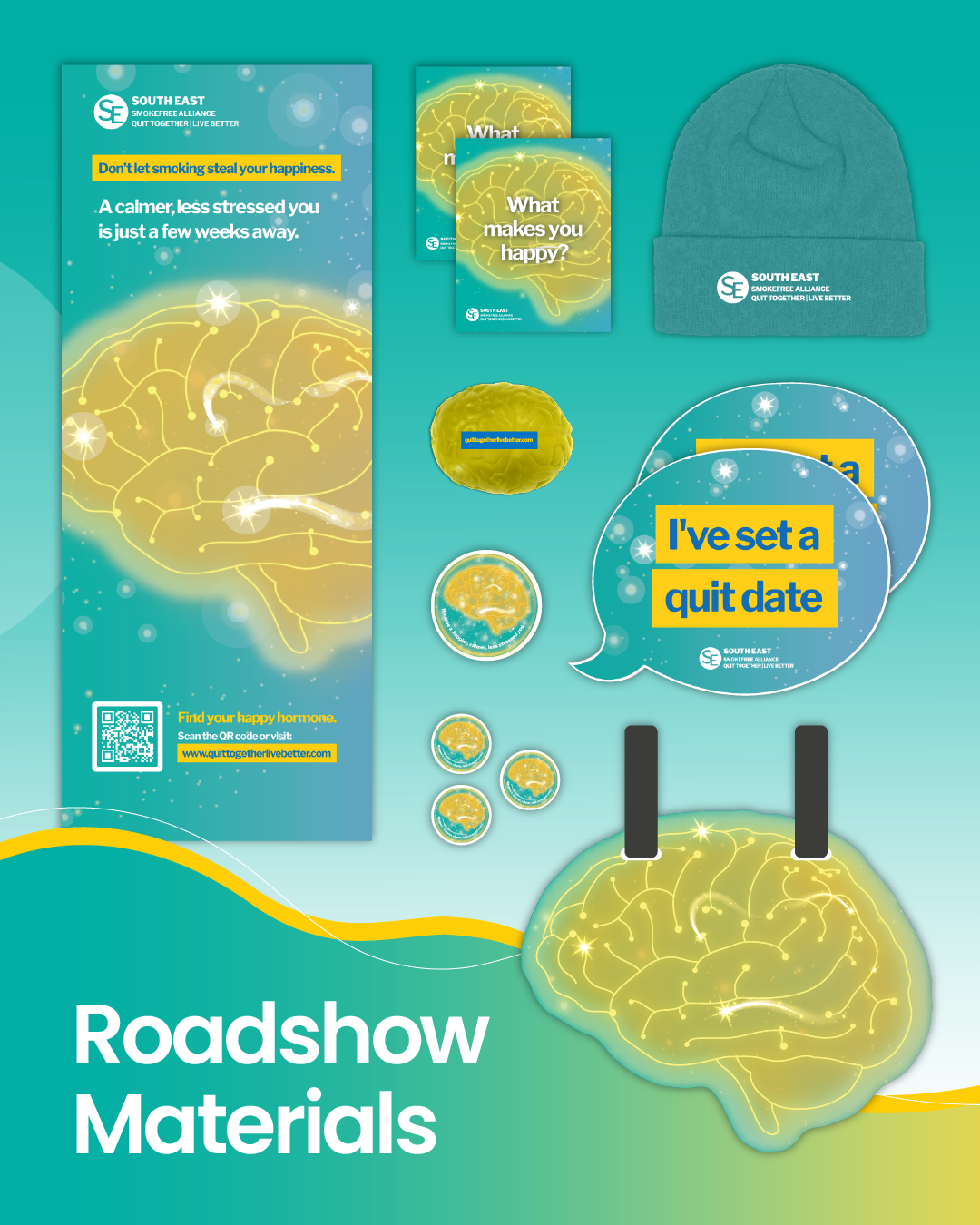
Alongside paid media, the campaign extended into real-world engagement through shopping centre and football match roadshows, enabling face-to-face conversations, quit date setting and deeper audience connection.

An independent evaluation demonstrated strong reach, engagement and behaviour change across the region.
24% prompted campaign recall, representing approximately 193,527 smokers.
87% of smokers who saw the campaign reported taking, or intending to take, positive action.
Approximately 73,923 people set a quit date or firm intention to quit as a result of the campaign.
Around 168,000 smokers were motivated to act as a result of the campaign.
Smokers aware of the campaign were 2x as likely to have made a recent quit attempt compared to those unaware.
An estimated 9,676 people contacted or planned to contact local stop smoking services.
Stakeholder and audience feedback highlighted the campaign’s clarity, credibility and positive tone, with many describing it as motivating, hopeful and easy to understand.

What people say
“This has become much more than a campaign, it is a blueprint for working across the region.”
– Dr Sarah Milne, SESA Lead