
An evaluation of the South East Smokefree Alliance campaign explaining tobacco’s effect on the brain shows that it could have prompted over 160,000 people who smoke to act.
Developed and implemented by Eski, the major stop-smoking campaign across the South East has triggered an exceptional response, with new data showing that almost nine out of ten people who smoke and who saw the campaign have taken steps to quit.
The findings come from an independent evaluation of the South East Smokefree Alliance (SESA) “Quit Smoking, Feel Happier” campaign, released to coincide with National No Smoking Day (March 11th).
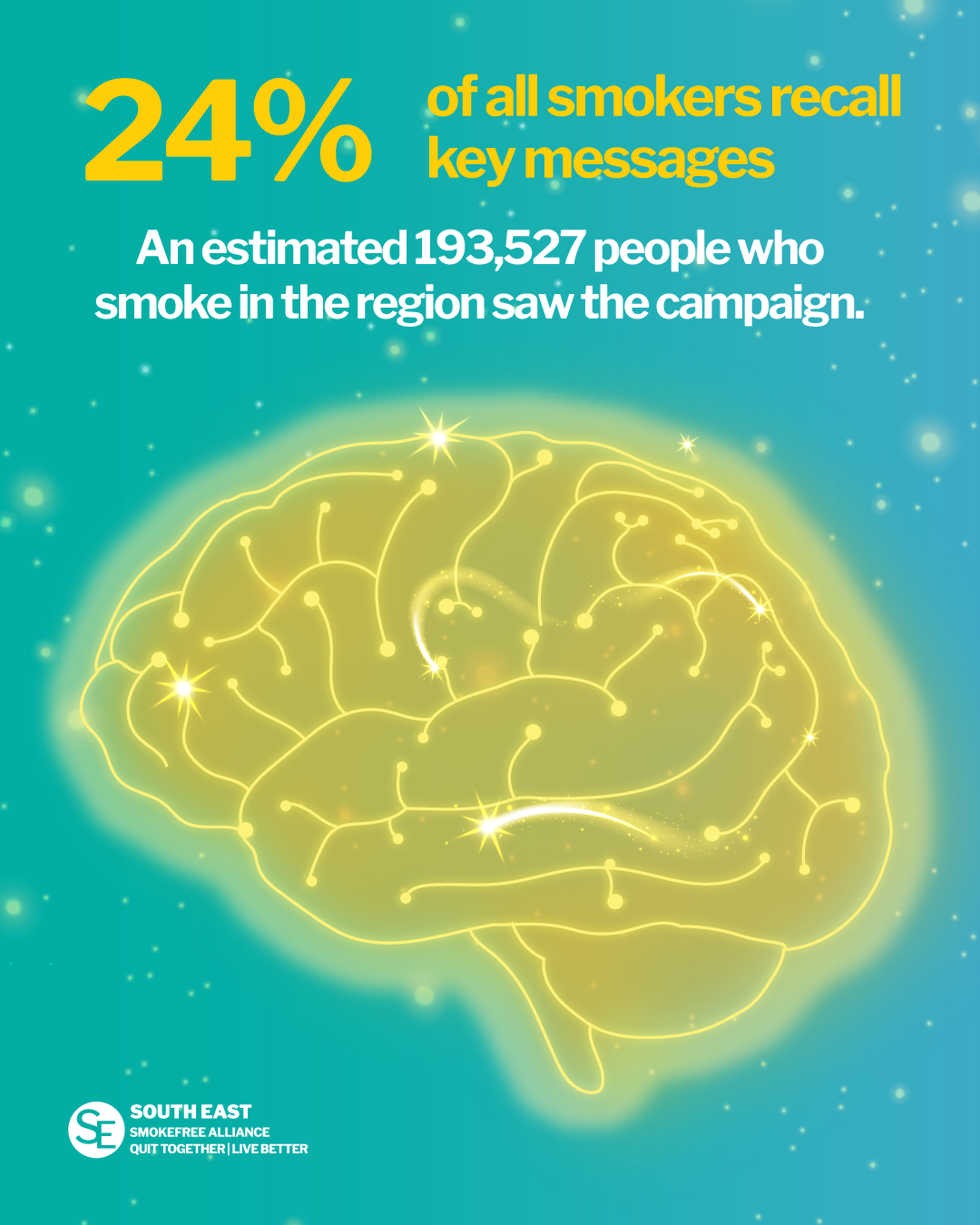
An independent survey of around 850 adults found that 24% had seen the “Quit Smoking, Feel Happier” campaign. Among those who smoke, 87% reported taking action after seeing the adverts, including setting quit dates, starting quit attempts, or seeking support from GPs or local Stop Smoking Services.
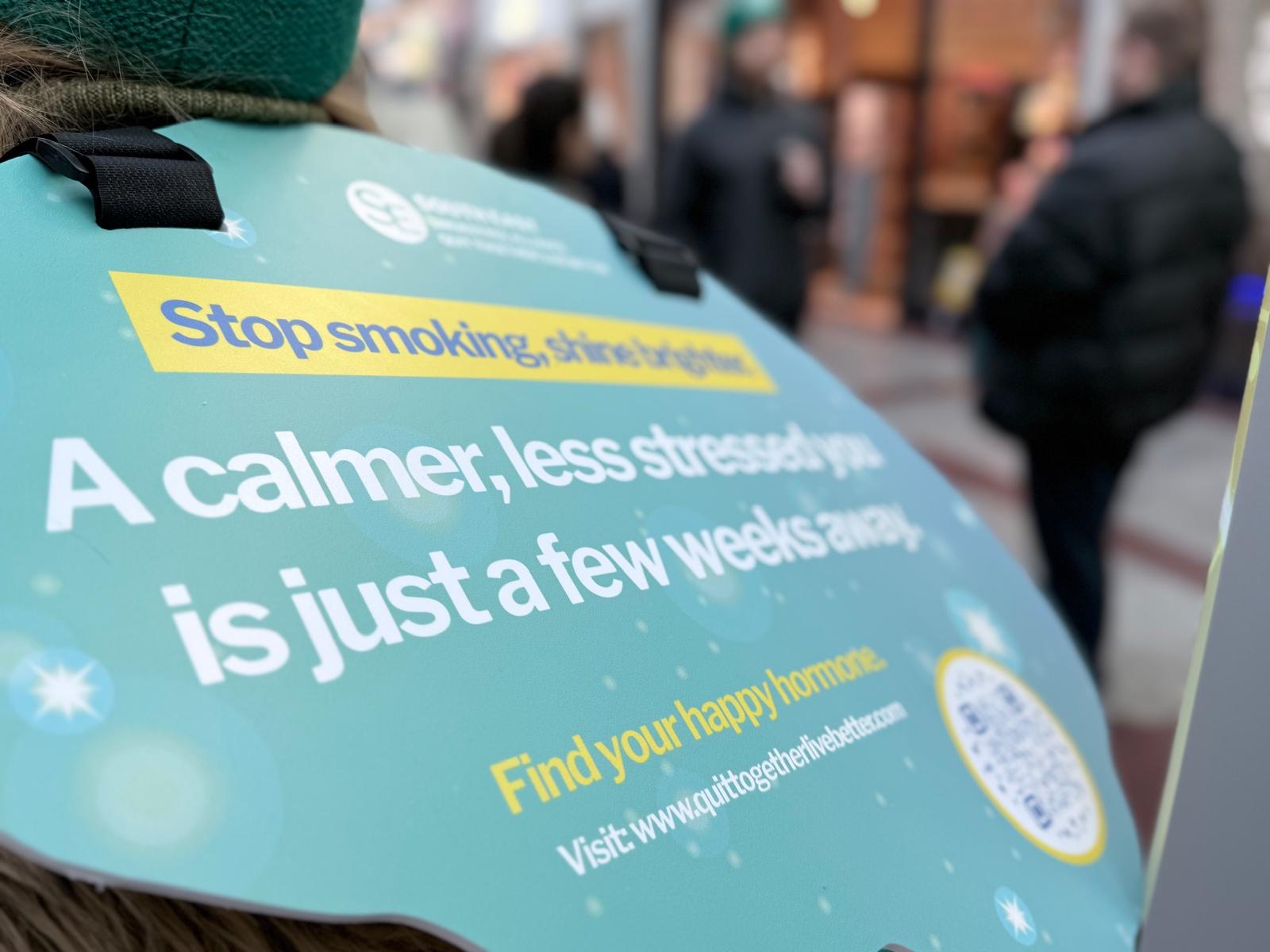
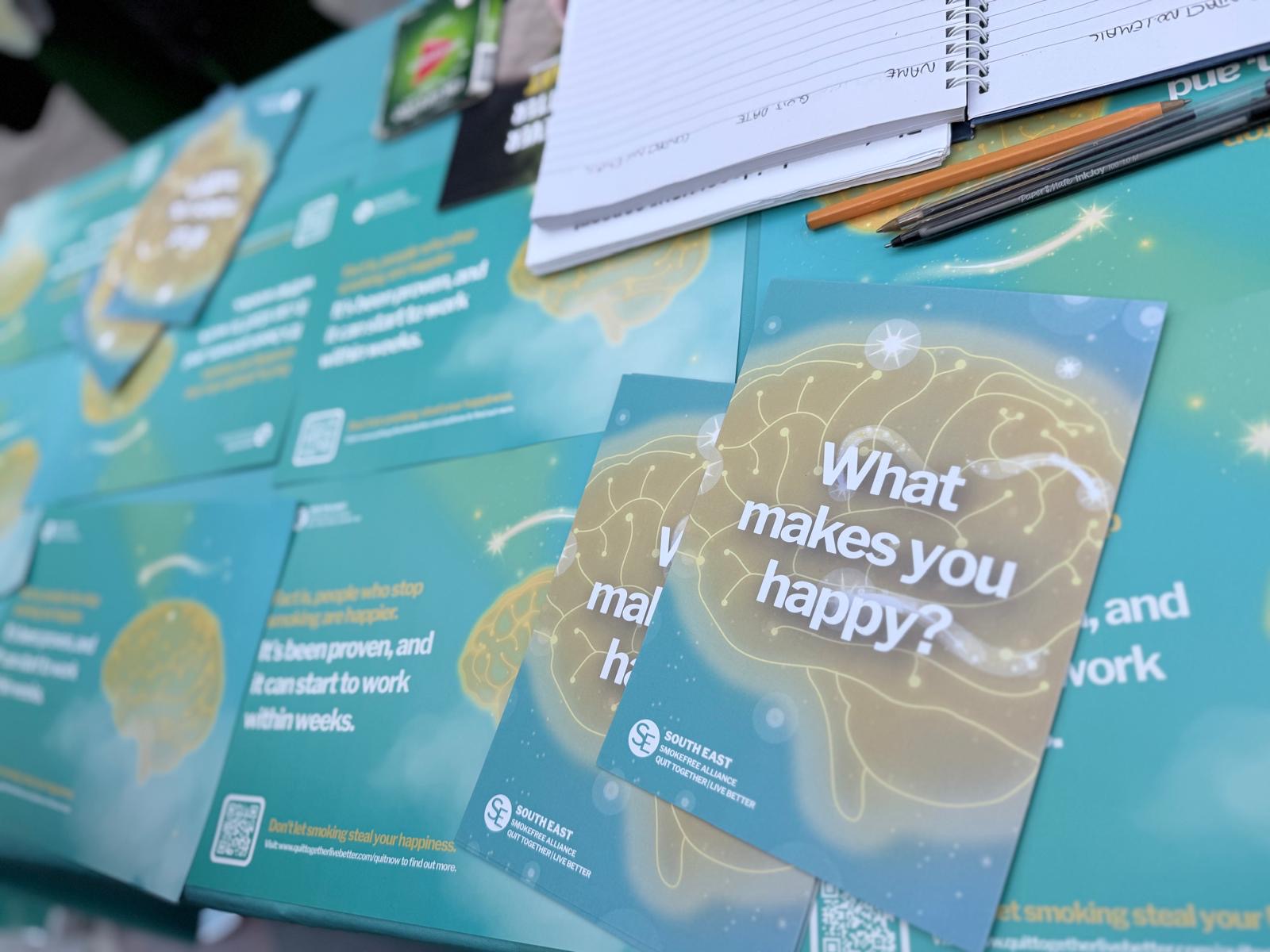
The campaign ran from Boxing Day to February 8th, delivering TV, radio and social media advertising, alongside 18 roadshow events across the region.
Central to the campaign was a message grounded in scientific research: smoking artificially raises dopamine levels and disrupts receptors and transporters in the brain, increasing stress. Within weeks of quitting, dopamine production begins to rebalance with many former smokers reporting improved happiness.
Dr Sarah Milne, Lead of the South East Smokefree Alliance, described the results as “simply outstanding”. She said people who recalled the campaign were twice as likely to take action as those who did not.
Dr Milne, who toured the region from Bracknell to Brighton and Hove and from West Sussex to Wokingham, said many people who smoke she met during the regional roadshows experienced a “light bulb moment” when they learned how nicotine affects the brain.
She said: “Smokers around the world believe their habit relieves stress, but the reverse is true. Smoking dysregulates dopamine receptors and promotes stress. This impacts the brain’s natural production of happy hormones and creates a dreadful cycle.”
She added that traditional public health messaging has long focused on the life-threatening risks of smoking, but this approach does not reach everyone. Dr Milne said: “Explaining how quitting for good can alleviate stress and increase happiness really hit home. People kept telling us it gave them a lightbulb moment. We are thrilled to be helping people make one of the most important decisions they will ever make for their health and wellbeing.”
The South East Smokefree Alliance, representing 18 local authorities, plans to share the evaluation with research journals in the hope of shaping future public health strategies.
Based on the evaluation findings, the “Quit Smoking, Feel Happier” campaign is projected to result in:
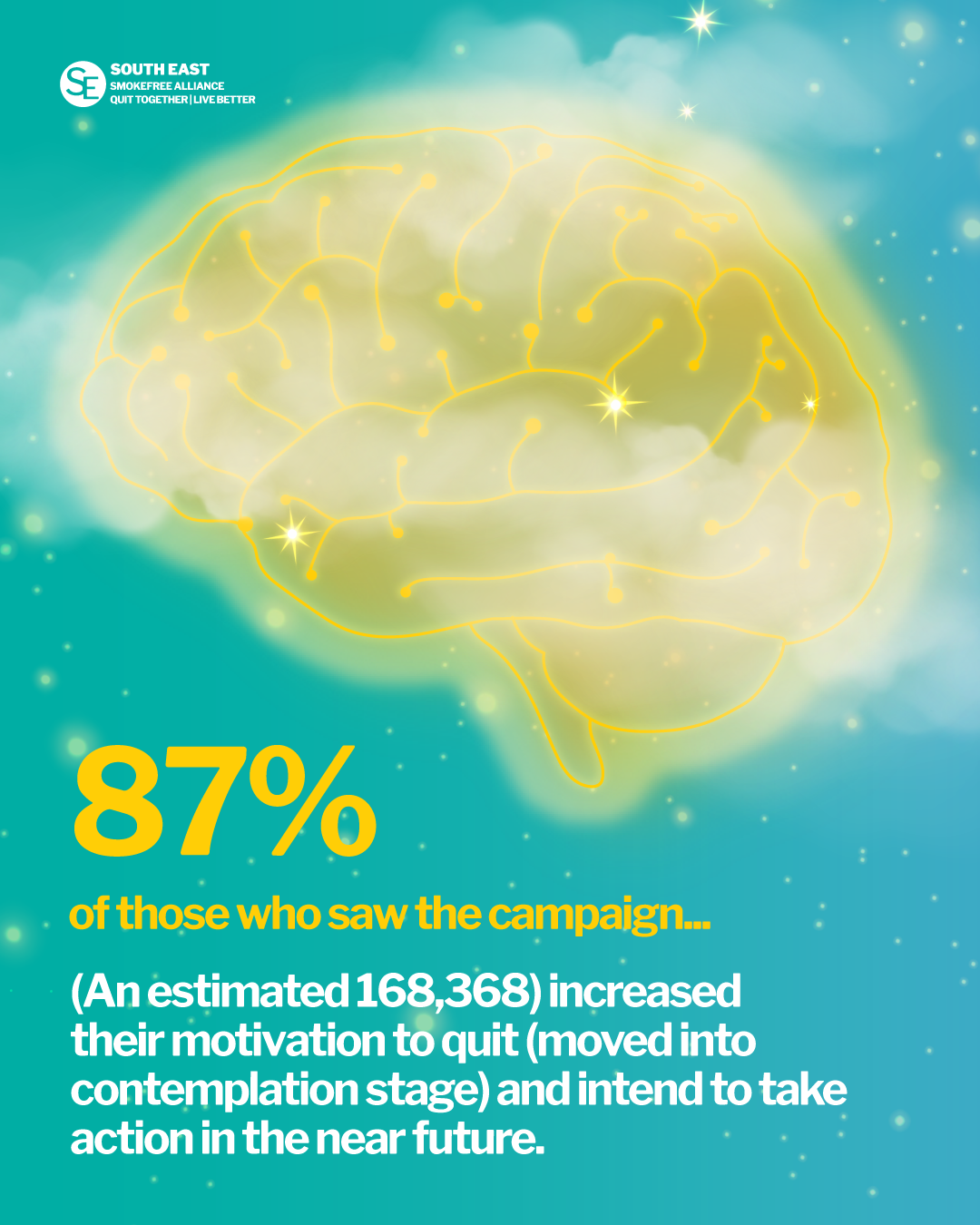
- Almost 168,000 people who smoke taking action as a direct result of the campaign — representing 24% of the smoking population whose behaviour has been influenced.
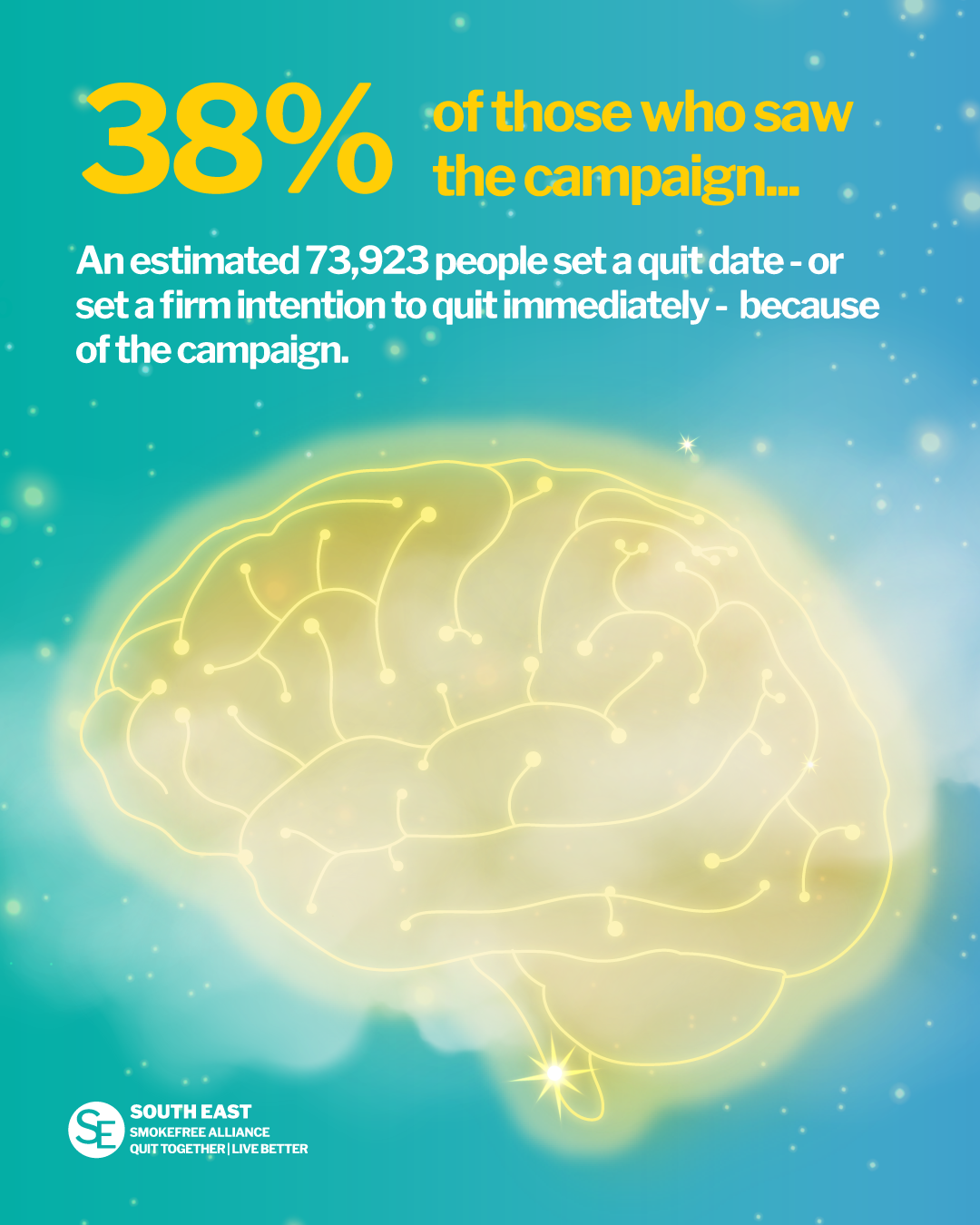
- An estimated 73,923 people setting a quit date or a firm intention to quit immediately.
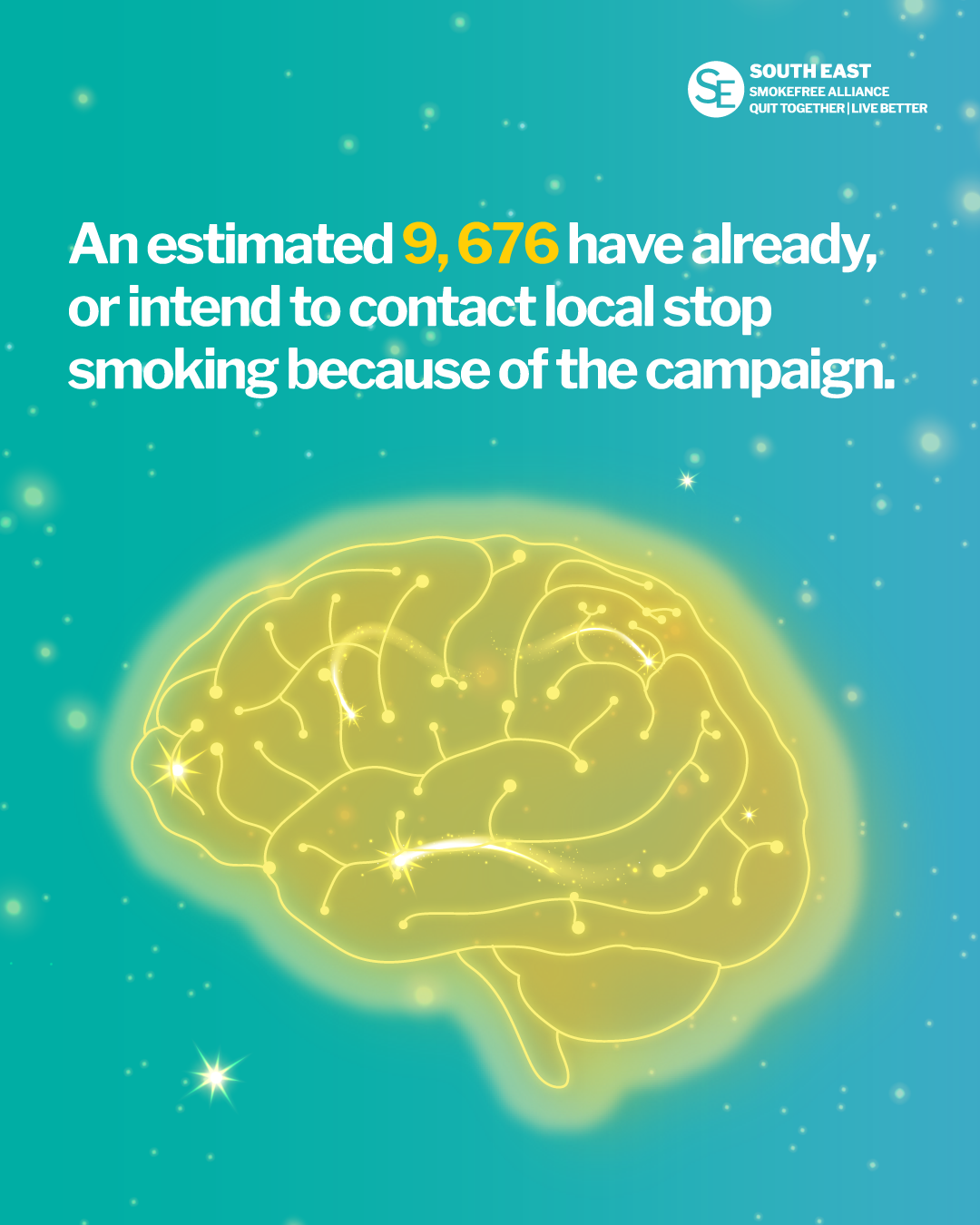
- An estimated 9,676 people contacting or intending to contact free local Stop Smoking Services, which can make a person up to three times more likely to quit for good compared to going it alone.
Hazel Cheeseman, Chief Executive of Action on Smoking and Health (ASH), said:
“It’s fantastic to see councils across the South East working together to deliver a campaign with such strong impact. Regional collaboration like this allows public health teams to reach far more people with clear, evidence-based messages about smoking and support to quit.
“Many smokers don’t fully understand the effect smoking has on the brain. While the harms to the heart and lungs are widely recognised, smoking can also worsen stress, anxiety, and low mood. Campaigns like this are important because they help people understand that quitting isn’t just about protecting future health – it can also help them feel happier and improve their wellbeing in the here and now.
“The fact that so many people took action after seeing the campaign shows how powerful the right message can be when local authorities come together to support smokers to quit.”
Members of the public shared powerful reflections following their experience at a roadshow. One attendee, a man in his 50s, said: “I have been meaning to quit for ages and always put it off. Today is the day!”
Another participant, an 18-year-old woman, highlighted the impact of the information presented: “I had no idea smoking affects the brain like this. It makes sense. I’m not going to smoke again.”
To learn more, watch the campaign films or find free, local stop smoking support, visit www.quittogetherlivebetter.com



Additional notes:
The South East Smokefree Alliance (SESA) represents 18 local authorities: Bracknell Forest, Brighton and Hove, Buckinghamshire, East Sussex, Hampshire, Isle of Wight, Kent, Medway, Oxfordshire, Portsmouth, Reading, Slough, Southampton, Surrey, West Berkshire, West Sussex, Windsor and Maidenhead, and Wokingham.
There are at least 846,787 adults who smoke across the South East — 10.6% of the population.
Smoking causes around 9,500 deaths each year in the region and is responsible for over 55,000 hospital admissions annually.
Smokers are 2.5 times more likely to need social care and on average need it 10 years earlier than non-smokers.
The Alliance’s goal is to make the South East smokefree by 2030 (fewer than 5% of adults smoking).
The independent review of “Quit Smoking, Feel Better” campaign was conducted by Information by Design, which is a company partner of the Market Research Society (MRS), and individual members of staff are members of the MRS, the Royal Statistical Society and the Social Research Association. They abide by fair data principals.
- The evaluation included pre and post campaign surveys of smokers in the South-East of England.
- Surveys were conducted online with respondents provided using an access panel provider.
- All respondents lived in the South-East of England but excluded those living in the Milton Keynes Unitary Authority.
- The surveys were conducted in two waves:
- A baseline survey (T1) was conducted in December 2025, before the launch of the ‘Quit Smoking, Feel Better’ campaign
- The 2nd survey (T2) was conducted from 30th January to 22nd February, after the campaign had been launched
- A target of 1,000 respondents was set for the T1 baseline survey. A sample of 1,253 was achieved.
- A target of 750-800 was set for the T2 survey.
- A total sample of 836 was achieved for the T2 survey, made up of 359 respondents who had completed the T1 survey and a new sample of 477 respondents.
- The datasets were weighted to the estimated profile of smokers in South-East England excluding Milton Keynes Unitary Authority.
Dopamine/ Nicotine studies:
The following studies support the claims:
- Nicotine artificially elevates dopamine.
- Chronic exposure dysregulates receptors and transporters.
- Stopping smoking allows gradual restoration of natural dopamine production and signalling.
Dani JA & Heinemann S (1996) – Published in Neuron
Study: “Molecular mechanisms of nicotine addiction”
Key evidence: Chronic nicotine exposure stimulates mesolimbic dopamine pathways and alters receptor activity. When nicotine is removed, adaptive changes begin reversing, allowing dopamine signalling systems to move back toward baseline function.
Govind AP et al. (2009) – Published in Journal of Neurochemistry
Study: “Nicotine-induced upregulation of nicotinic receptors”
Key evidence: Nicotine increases nicotinic acetylcholine receptor expression involved in dopamine regulation. After cessation, receptor expression and activity begin normalising, supporting recovery of endogenous dopamine regulation.
National Institute on Drug Abuse (NIDA) – Research Monograph: “The Neurobiology of Nicotine Addiction”
Key evidence: Chronic nicotine overstimulates dopamine release in the reward pathway. Following cessation, dopaminergic systems gradually recover as receptor overstimulation ends and homeostatic balance is restored.
Brody AL et al. (2006) – Published in Biological Psychiatry
Study: “Effects of smoking cessation on brain dopamine transporter levels”
Key evidence: Brain imaging demonstrated that dopamine transporter availability, altered during smoking, begins returning toward non-smoker levels within weeks of cessation, indicating recovery of natural dopamine signalling.
Comments are closed.